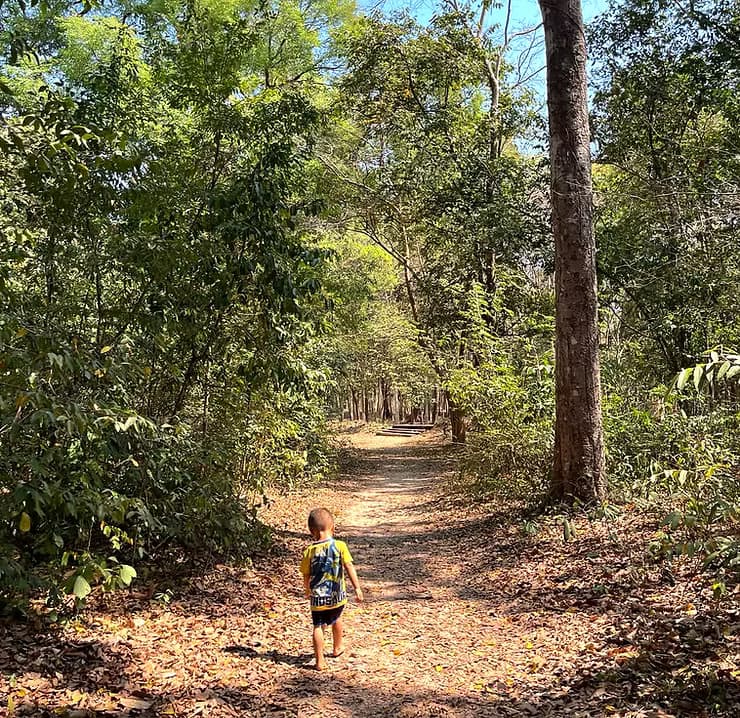
At YEP Academy, we believe that learning does not only happen inside classrooms. Some of the most powerful learning moments happen outdoors, on the trail, beside a river, under the shade of trees, or while working together in a natural environment. This belief is grounded not only in experience, but also in science.
Nature as a Learning Field refers to an educational approach that uses the natural environment as a living classroom to provide hands-on, multi-sensory experiences. It is based on the understanding that humans have an innate connection to nature, and that learning becomes deeper, more meaningful, and more holistic when we actively engage with the natural world.
For YEP Academy, Nature as a Learning Field is not simply an activity or location.It is our fundamental didactic method, a structured teaching approach that follows a consistent scientific understanding of how people learn, grow, and develop through experience.
The Science Behind Nature-Based LearningResearch has consistently shown that a positive sense of connection to nature during childhood has long-term impacts on well-being, behavior, and development into adulthood. These findings support what many educators and communities have observed for generations: time in nature shapes not only knowledge, but character, health, and relationships with the world.
Scientific evidence links connection to nature with a wide range of benefits, including:Benefits associated with connection to nature:Stronger pro-social behavior and cooperationPositive youth development and life skillsIncreased creative thinking and curiosityBetter self-reported health and overall well-beingFewer psychological complaints such as stress and anxietyPositive and meaningful life experiences
Beyond personal well-being, connection to nature also influences how people act toward the environment and their communities.
Behaviors associated with connection to nature:Willingness to conserve and protect natural resourcesGreater environmental knowledge and awarenessResponsible environmental citizenshipActive participation in conservation and pro-nature behaviors
Nature Supports Cognitive, Emotional, and Mental Well-BeingSpending time in nature is strongly linked to improvements in learning, mood, and mental health. Studies show that natural environments support attention, reduce stress, and improve emotional regulation. Importantly, the sense of feeling connected to nature itself can produce well-being benefits even beyond the amount of time spent outdoors. When individuals feel a relationship with nature, they often experience greater calmness, clarity, and resilience.
Both green spaces (such as forests, parks, and fields) and blue spaces (such as rivers, lakes, and oceans) provide these benefits. While remote and biodiverse environments can offer particularly strong positive effects, research also shows that even small natural elements such as urban parks, trees, gardens, or open spaces can support well-being and learning.This understanding is especially relevant in modern societies where young people spend increasing amounts of time indoors and in digital environments.
Learning Through Experience and ReflectionNature creates real situations that require learners to think, act, and collaborate. It transforms learning from passive listening into active participation.
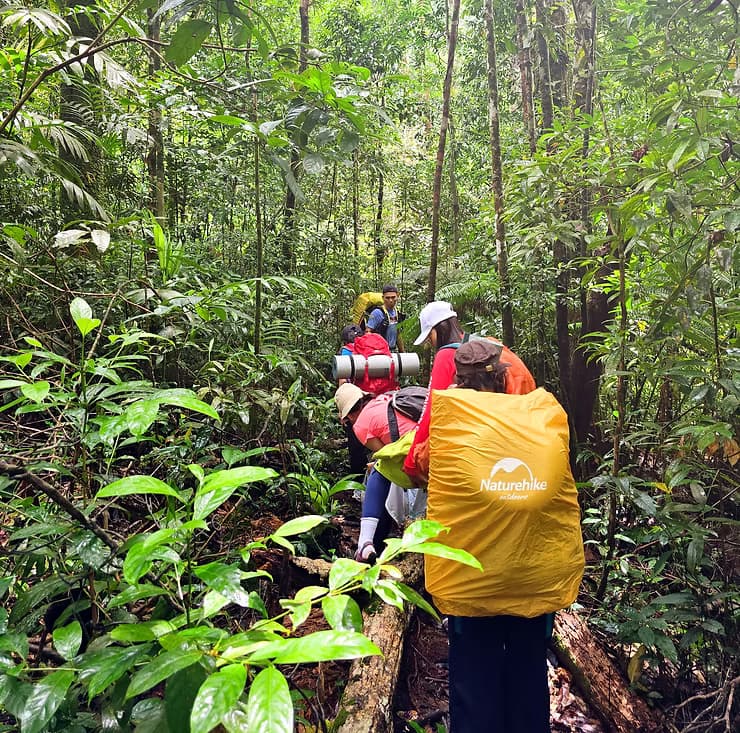
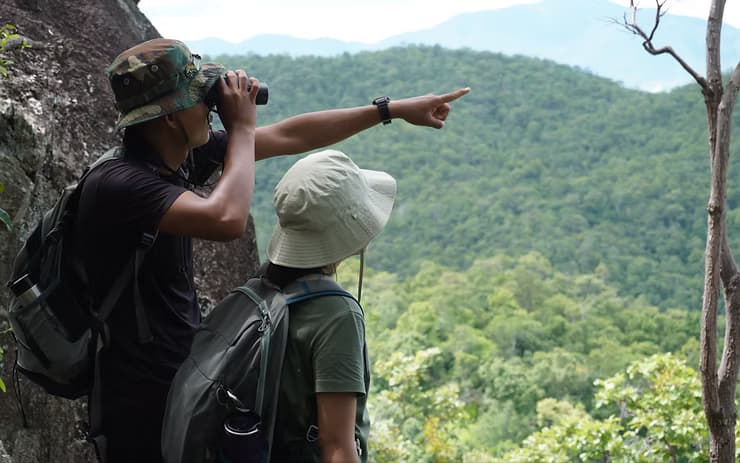
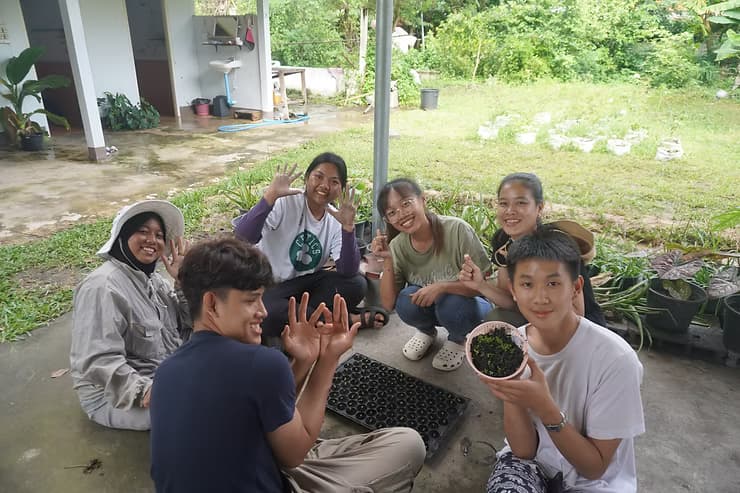
In nature-based programs, participants may:Solve problems while navigating a trailPractice teamwork while setting up a shelterDevelop responsibility while managing equipmentBuild resilience while facing unfamiliar challengesReflect on their experiences and personal growthThese experiences strengthen both practical skills and inner capacities such as confidence, adaptability, and self-awareness.
At YEP Academy, reflection is a key part of the learning process. After activities, participants are encouraged to pause, observe, and make meaning from their experiences. This reflection helps transform action into learning and learning into personal growth.
Nature as a Foundation for Holistic LearningNature as a Learning Field supports holistic development, the growth of the whole person, not only academic knowledge. It integrates physical, emotional, social, and cognitive learning into a single, connected experience.
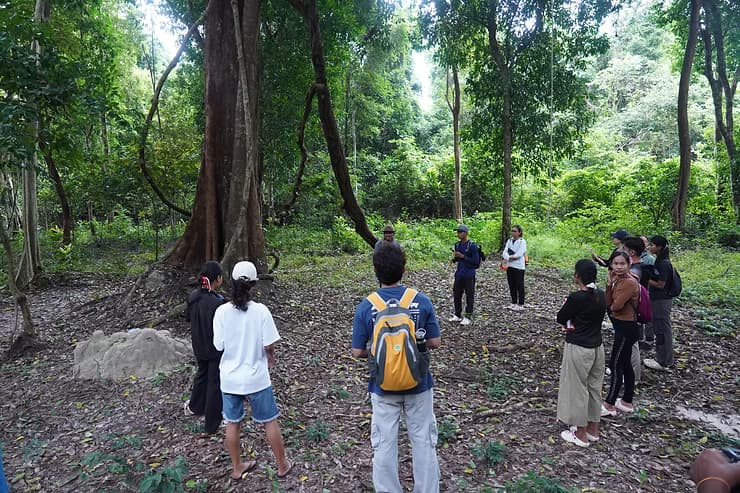
Through nature-based learning, individuals develop:Physical awareness and healthEmotional resilience and self-regulationSocial skills and teamworkCritical thinking and problem-solving abilitiesEnvironmental responsibility and stewardshipThis holistic approach reflects the reality of life, where learning is not separated into subjects but experienced as an interconnected process.
A Classroom Without WallsWhen nature becomes the classroom, learning becomes more than knowledge, it becomes experience, awareness, and transformation.
Participants return not only with new skills, but with new perspectives. They become more confident, more connected to others, and more capable of caring for themselves, their communities, and the environment. Nature as a Learning Field reminds us that education is not only about what we know. It is about how we experience, how we relate, and how we grow within the world we are part of.