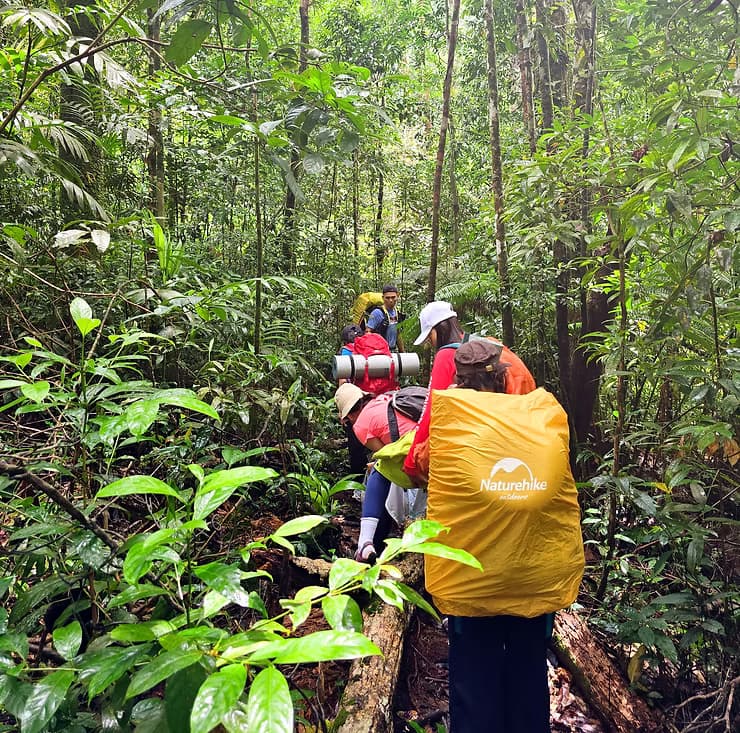
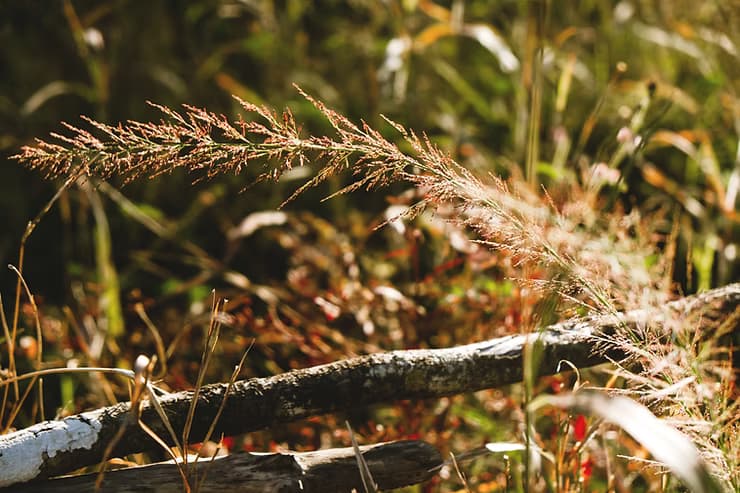
For a long time, many of us have been taught even without realizing that humans are separate from nature. Nature becomes something we manage, control, protect, extract from, or escape into when life feels too much. It’s a place we visit but not a relationship we live inside.
This way of seeing has shaped our systems, beliefs, our habits, and even the language that we speak to one another. And while it may once have felt practical or convenient, it no longer reflects the reality we’re living in. As environmental strain deepens and disconnection grows leading to depression and further mental illness, this story starts to feel thin. Something in it doesn’t sit right anymore.
And what’s missing is not about seeking more and more information and understanding about nature, but a different way of relating to it.
From “Nature as an Object” to “Nature as Relationship”
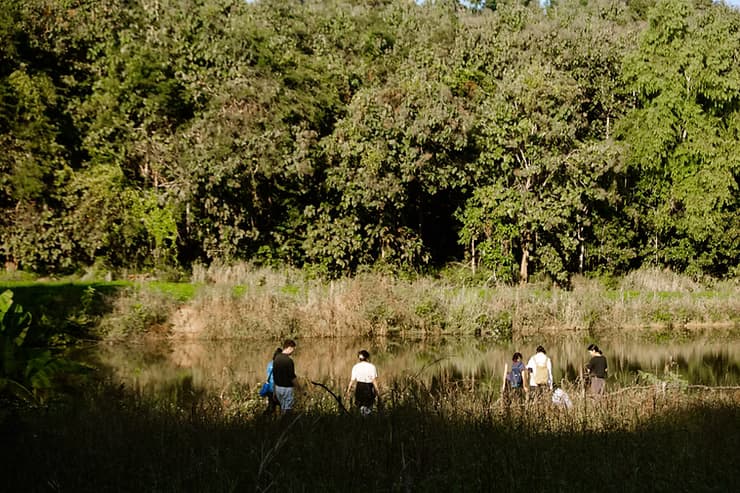
In many modern contexts, nature is treated as something external, something you know “out there,” separate from daily life, and often assumed to be endless. Even when we talk about “protecting nature,” we can unconsciously place ourselves above it, as caretakers rather than participants and this reflects our relational view to nature.
But this is misleading because we and nature are already entangled. Our bodies breathe air shaped by ecosystems and our nervous systems respond to light, sound, temperature, and season. Our moods shift with weather, pollution, silence, and green space whether we really notice it or not.
To slowly change our relational view is to remember something very very simple: we are not living alongside nature; we are living within nature, us is nature. Our bodies, senses, instincts, and rhythms were formed through constant relationship with land, water, climate, and other living beings. When we acknowledge this, harmony stops being an abstract ideal and becomes a practical orientation for how we live, move, and relate.
Nature as Mirror and TeacherSeen relationally, nature is no longer just scenery or a “beautiful landscape” we seek out to go to when we want relaxation, nature becomes something we are in conversation with.
Nature doesn’t teach through instructions or explanations or theory. It teaches through presence, patience and pattern. A river shows what it means to adapt without force. A forest reveals how life depends not only on competition, but on cooperation, timing, and mutual support.
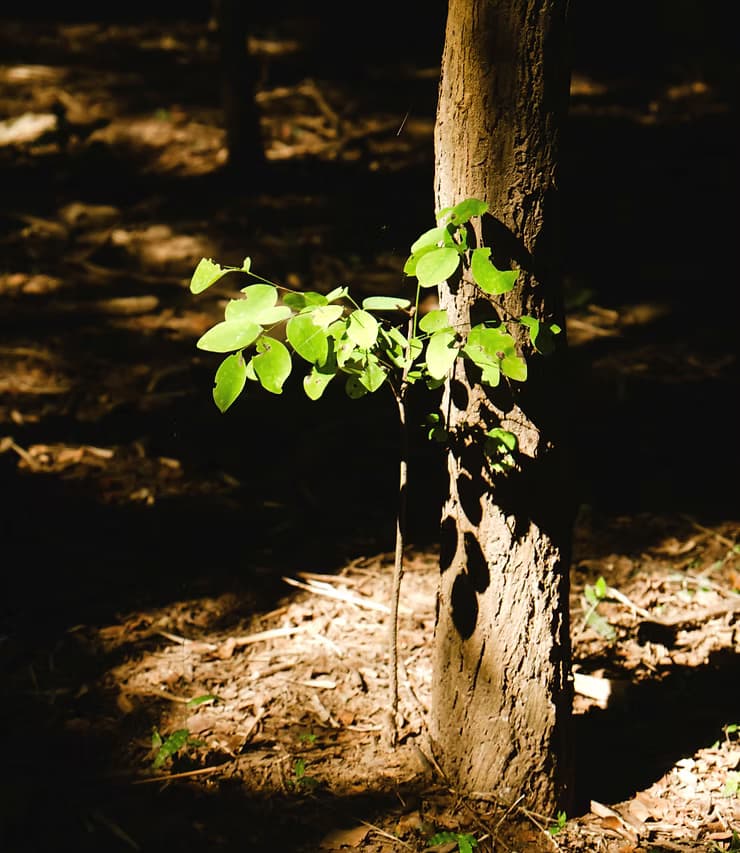
These are the observations we recognize when we slow down enough to notice. Nature reflects back ways of being that are patient, responsive, and resilient. It doesn’t demand imitation, but it quietly offers guidance.
Re-imagining Connection in a Disconnected WorldMany people today feel lonely, overstimulated, or emotionally numb, even while being constantly “connected.” Screens pull attention outward endlessly, while the body is often left behind as the pace runs too fast.
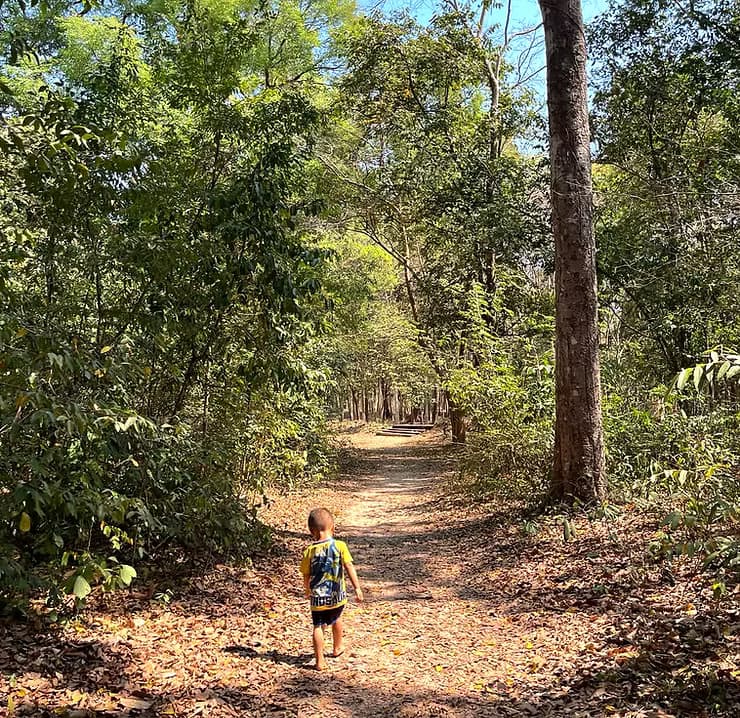
When we relate to nature rather than consume it, something shifts. A walk is no longer just movement, it becomes an exchange. Listening replaces doing. Attention returns to the senses. Over time, trees stop being objects, and places start to feel familiar. A forest can feel less like a destination and more like a presence.
This way of relating isn’t sentimental or naïve. It’s deeply human. Indigenous cultures have long understood that relationship with land is inseparable from identity and wellbeing. Today, psychology, neuroscience, and ecology are slowly catching up showing that contact with the natural world supports mental health, regulates the nervous system, and restores a sense of belonging.
A Return to Embodied KnowingAt its core, this shift is not about learning something new. It’s about remembering something old within our body, senses, and intuitions.
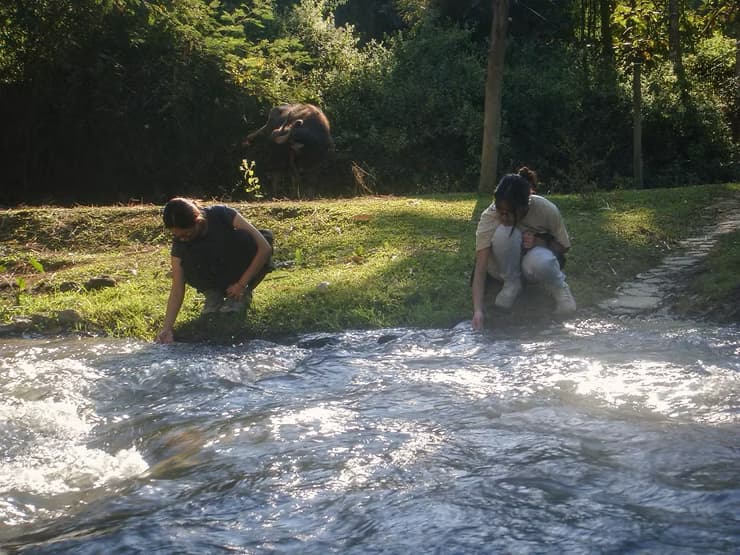
Before we analyzed, categorized, and controlled, we sensed. We listened. We responded. Returning to a relational view of nature is a return to embodied knowing where understanding comes not only from thought, but from experience, presence, and harmonious relationship.