
Khmer New Year Family Camp
Back To Programs

Khmer New Year Family Camp

A 2-day, 1-night family camp in Chum Kiri for Cambodian families to hit reset together: letting go of old patterns, building one new healthy habit, and trying something new as a family — through nature, play, and shared reflection.

Apr 24, 2027 – Apr 25, 2027
Cambodia
Khmer / English

About The Program

Family life is full of routines — this camp is a deliberate pause from them. Over one night in Chum Kiri, families step away from daily pressures and screens to reconnect around three simple anchors: a New Start (letting go of what isn't working), a New Habit (one small, practical change to bring home), and a New Try (something the family has never done together before).

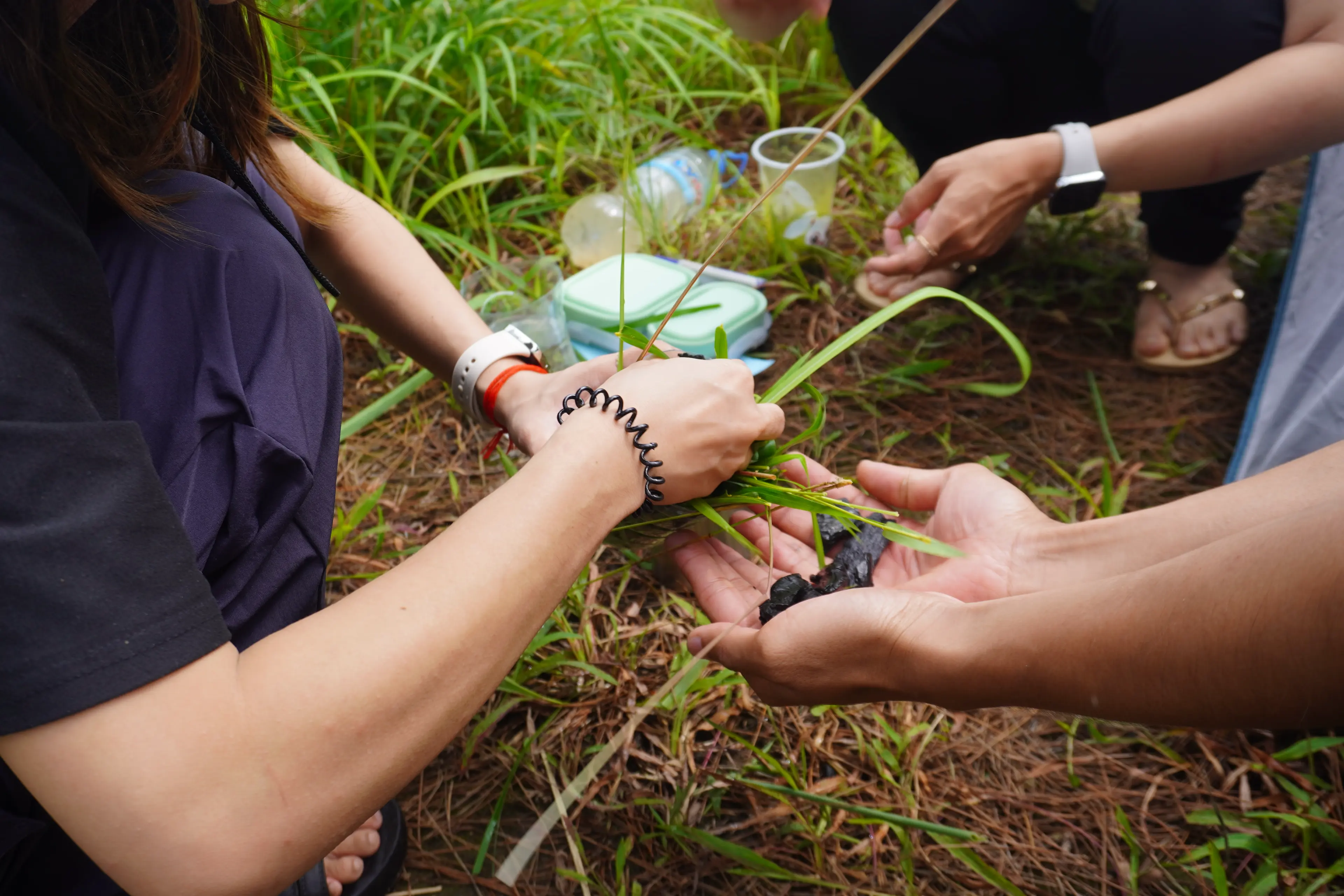
Day 1 opens with arrival and a hands-on family task — setting up the tent together — followed by a Welcome Circle where each family names one thing they want to leave behind (New Start). The day continues with family team-building games built around trust and communication, a “New Habit” workshop introducing simple tools like a daily check-in ritual or a family gratitude jar, and a guided nature walk where families practice basic plant identification and orienteering together. After free time to rest, families cook dinner together before an evening campfire storytelling circle, closing with a “Planting Seeds of New Habits” ritual in which each family writes their habit commitment on a card.

Day 2 opens with optional sunrise mindfulness and a family-prepared breakfast, then a hands-on “New Try” adventure activity — a family challenge course or nature scavenger hunt. The camp closes with a Family Reflection Circle, where each family completes a Family Habit Pledge card naming the one habit they'll carry home, followed by a small token ceremony (a seed packet symbolizing their new start, to plant at home), lunch, pack-up, and the return trip to Phnom Penh.


What you'll experience

Help families create a symbolic "new start" together

Introduce one practical, lasting habit

Build family confidence and trust through a "new try" Strengthen family bonding and communication

Eligibilities

Cambodian families (parents/guardians with children, approx. ages 6–15)

Families who want to reset shared habits, strengthen communication, and reconnect away from daily routines and screens

Who This Is For

MindfulnessConnection/ Family RelationshipNature & outdoor exploration

Program Curriculum

DAY 1

A New Start

Apr 24, 2027 • Chum Kiri

  • Departure – Leave Phnom Penh for Chum Kiri
  • Arrival & tent set-up
  • Welcome circle
  • Family team-building games
  • Lunch – Prepared by each family
  • "New Habit" workshop
  • Guided family nature walk
  • Free time
  • Family cooking
  • Evening campfire & check-out
DAY 2

New Try, New Habits

Apr 25, 2027 • Chum Kiri

  • Sunrise (optional) – Gentle mindfulness and stretching
  • Breakfast – Prepared together as a family
  • "New Try" adventure
  • Family reflection circle
  • Pledge card
  • Token ceremony & lunch
  • Pack up & closing circle
  • Return
What's Included
  • Facilitation and learning materials
  • Pre-camp online preparation meeting
  • Round-trip transportation from the meeting point
  • Camping equipment and campsite fee
  • 4 self-cooked meals: lunch & dinner on Day 1, breakfast & lunch on Day 2
  • Afternoon snack on Day 1
  • Basic first aid & YEP accident insurance coverage (up to USD 5,000)
Not Included
  • Personal medication and toiletries
  • Insect repellent
  • Sunscreen and hat
  • Personal water bottle and snack
  • Travelling to/ from the meeting point

Your Facilitators

Frequently Asked Questions

What age range is the camp suitable for?

Each Family & Teen Camp has a recommended age range and group profile listed in the program details. This helps ensure that activities, responsibility levels, and group dynamics fit the participants well. If your teen is slightly younger/older than the stated range, or you’re joining as a family with siblings of different ages, just contact us—we’ll honestly advise whether it’s a good match and what options might work best.

What if my child is almost old enough?

Your child must reach the minimum age for the camp within 30 days before the program starts. This helps us keep the group dynamics, safety standards, and learning design consistent for everyone.

How physically demanding is the camp?

The camp is designed to be active, but doable for a wide range of families and teens. Expect plenty of movement outdoors (walking, setting up camp, games, nature activities) and full days with fresh air and time outside. Activities are guided and can usually be adapted in intensity, so participants can pace themselves. The exact level depends on the specific camp location and program focus—details are shared in the preparation information.

What should we pack?

After registration, you will receive a detailed packing list tailored to the location, season, and camp format. It includes clothing guidance (rain/sun/temperature changes), personal items, optional comfort items, and any recommended gear. We try to keep it realistic and family-friendly—so you bring what truly helps and avoid unnecessary extras.

How do you manage hygiene and toilets in an outdoor tent camp?
We keep hygiene simple, respectful, and well-organized. This typically includes:
  • Clear routines for handwashing and sanitation (especially around meals
  • A dedicated toilet setup adapted to the location (with privacy and clear guidance)
  • Safe water routines for washing and drinking
  • Daily reminders and shared responsibility to keep camp clean and comfortable
All details depend on the exact site, and we explain the practical setup clearly before the camp starts.
How will my child get his or her medications at camp?

During registration, we collect a medical history and a list of medications, which is shared with the responsible facilitators so we can support them safely. If your child carries an emergency medication, we ask that they carry it in their own pack and show a facilitator where it is, so it can be accessed immediately if needed.
The camp lead can store medications securely and support reminders for scheduled doses, if needed. Please bring medications in their original containers, packed in a sturdy zip-lock bag labeled with your child’s name and clear instructions. A short check-in with the facilitation lead at arrival is required to confirm the process.

How do sleeping arrangements work?

We sleep outdoors in tents. We will share clear details in advance on whether families sleep together, how privacy is managed, and what is provided versus what you need to bring. Our aim is simple: safe, comfortable, and well-organized sleeping arrangements that support rest—because good sleep is part of a good camp experience.

What happens if there is bad weather?

We plan with weather in mind and adapt the program with a safety-first approach. If conditions change (heavy rain, strong heat, storms), we adjust routes, timing, and activities, or move to sheltered alternatives where possible. Weather can be part of the learning—but we do not “push through” when it doesn’t make sense. Our team uses location-specific risk planning and clear decision-making routines.

What happens in case of an animal sighting?

Wildlife and insect sightings can happen and are often a special part of the experience. Most animals are not threatening, and we teach everyone clear awareness and response routines (how to stay calm, keep distance, and act respectfully). Serious encounters are rare, and our facilitation team is trained to manage situations safely. In many cases, seeing animals is simply exciting and memorable.

Can parents contact their teen during the camp?

Because phone use is limited, we don’t encourage constant parent-teen messaging during the program flow. However, for urgent matters, parents can always contact the facilitation team directly. You’ll receive the relevant emergency contact process and numbers before the camp so that important communication remains possible without breaking the overall learning atmosphere.

My teen is reluctant to leave their phone. How do you handle electronics?

We use a safe and respectful “tech-deposit” on arrival (stored securely by the team). Phones can be accessed only during specific, clearly defined break times. The camp program is intentionally engaging, active, and community-based—so most participants settle quickly, and after the first 24 hours the urge to check screens usually drops significantly.

What if my teen is shy, anxious, or not comfortable in groups at first?

That’s very common—especially at the start of a new camp experience. We create a supportive environment with clear group agreements, gentle onboarding, and a mix of small-group and full-group activities. Teens are not forced to “perform” socially; we invite participation in ways that fit different personalities, while still helping everyone feel included and safe over time.

Will there be a certificate for school or college applications?

No, we do not provide formal certificates for our Family & Teen programs. The focus is on relationship building and personal growth. YEP Academy will provide a personalized letter of participation highlighting their leadership and survival skills for their portfolio.

How do you ensure safety for participants of different ages?

Safety is our priority. Our facilitators are trained in both Wilderness First Aid and Kid Safeguarding. We maintain a high staff-to-participant ratio to ensure everyone—from parents to younger teens—is supported. We also provide accident insurance (up to USD 5,000) for every family member.

What happens if someone gets sick or injured during the camp?

We take health and safety seriously and have clear procedures in place. If someone feels unwell or gets injured, the facilitation team will assess the situation, provide first response, and decide on the next steps (rest, observation, or medical support). We collect emergency contact and medical information during registration, and our facilitators are trained in Wilderness First Aid and safeguarding. If needed, we organize referral to local medical services. Accident insurance is provided for every participant (coverage up to USD 5,000).

What if my family has specific dietary needs or picky eaters?

We are experienced in catering for families! Our outdoor kitchen provides healthy, organic, plant-based meals that are both nutritious and teen-friendly. We can accommodate most allergies (gluten-free, nut-free, etc.) if notified in your registration form.

What is the 'Rite of Passage' ceremony mentioned in the curriculum?

It is a meaningful, non-religious closing ceremony where parents and teens acknowledge each other's growth during the camp. It marks the transition of the teen into a more responsible role within the family unit and is often the most impactful part of the journey.

What if we've never camped before?

Perfect! This camp is designed for all skill levels. We provide all the necessary gear and hands-on instruction to make you comfortable.

What is your photo and privacy policy (photos, social media, sharing stories)?

We respect privacy and handle photos responsibly. We may take a limited number of photos for internal memories and communication, but we do not publish identifiable images without consent. If you or your teen prefer not to be photographed, you can indicate this during registration or directly to the team—this will be respected. We also encourage a culture of confidentiality in the group: personal stories shared during the camp stay within the community.

If my child can’t attend, can I give their registration to a friend or sibling?

No. Registrations are linked to an individual participant and are not transferable. If a spot becomes available, we offer it through the official waitlist to ensure fair access. Fees remain subject to our cancellation/refund policy, even if the space is filled from the waitlist.

Who can I contact for specific questions about my child's needs?
We encourage parents to speak with us directly. You can email info@yep-academy.org to schedule a call with our lead facilitator before booking.